
CNC Lathe Automation
Lathe automation helps shops keep turning centers loaded, reduce idle time, and support repeat production with less manual handling. CWM helps evaluate automation options based on the part, machine, bar stock, workholding, cycle time, and production goal.
What is Lathe Automation?

Lathe automation uses equipment such as bar feeders, robots, gantry loaders, part catchers, and conveyors to help load raw material, unload finished parts, and keep turning operations moving with less operator involvement.
In CNC turning environments, automation is commonly used for repeat shaft work, bushings, hubs, fittings, blanks, and other turned components where loading, unloading, or operator availability limits output.
The right setup depends on the part size, material, machine access, workholding, cycle time, and how finished parts need to be handled after machining.
Common Lathe Automation Methods
Bar Feeders
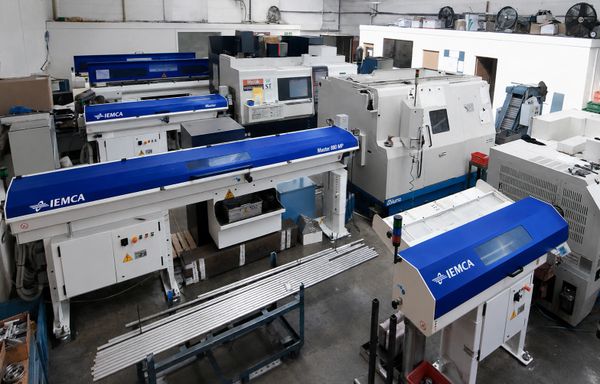
Bar feeders help automate continuous turning work by feeding bar stock into the lathe for repeat production of shafts, pins, bushings, fittings, and other turned components.
Robotic Loading
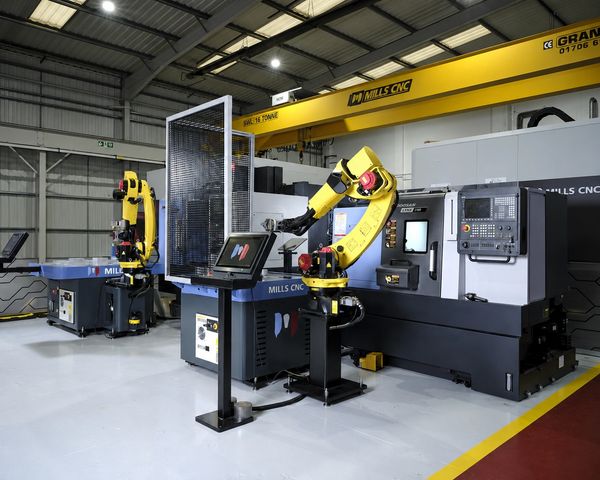
Robotic loading can support chucking work, blanks, castings, forgings, and repeat parts that need to be loaded and unloaded from the machine.
Gantry Loaders
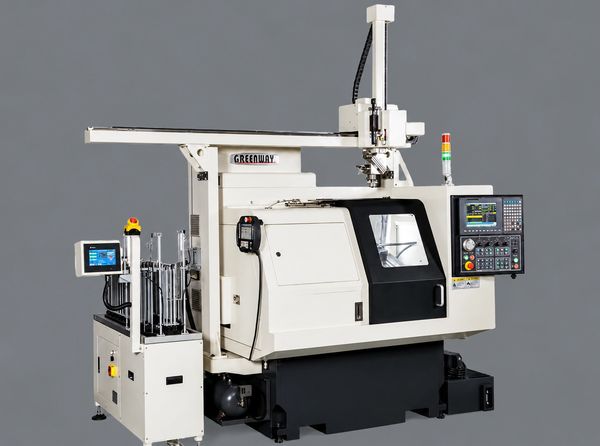
Gantry loaders are often used in higher-volume turning environments where consistent part handling, fast loading, and repeatability are important.
Part Catchers & Conveyors
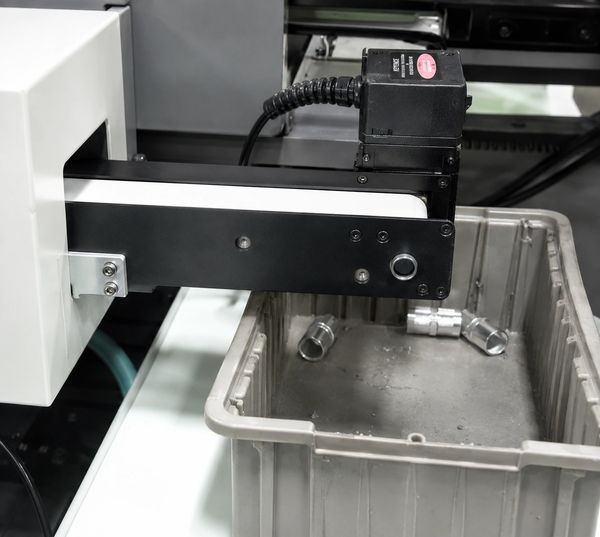
Part catchers, conveyors, and unload systems help manage finished parts, reduce handling, and support smoother material flow after machining.
Why Shops Automate CNC Lathes
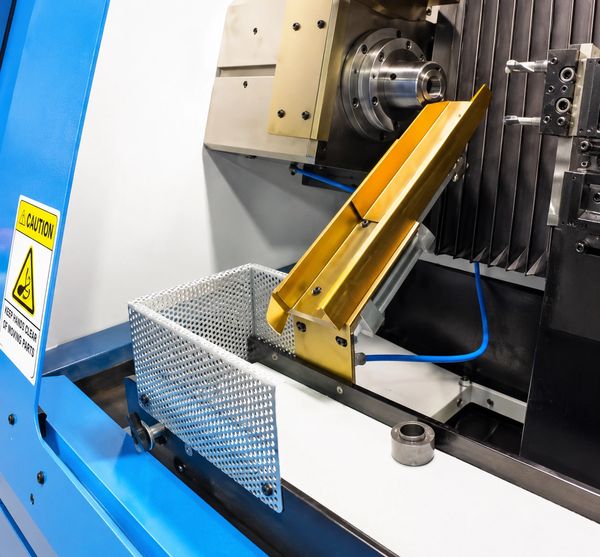
CNC lathes are often strong candidates for automation because many turning jobs involve repeat part handling, predictable loading, and consistent machining cycles.
Lathe automation may help reduce machine idle time, improve part flow, support longer production windows, and allow operators to focus on setup, inspection, tool changes, programming, and higher-value shop work.
The goal is not to remove people from the process. The goal is to reduce repetitive handling and help the shop get more consistent output from the turning equipment already on the floor.
Automation Integration & Support

Successful lathe automation depends on more than the loader. The machine, workholding, tooling, part presentation, cycle time, inspection process, and finished part handling all need to work together.
CWM helps customers think through practical integration questions before moving forward. That may include machine selection, bar feeder compatibility, robot access, gripper strategy, chucking requirements, safety, floor space, service support, and long-term production needs.
The right automation setup should support how the shop actually runs, not create a complicated system that is difficult to operate or maintain.